Clean Room Primer: Using Databricks Clean Rooms to Use More & Better Data in your BI, ML, & Beyond
Summary
Databricks clean rooms enable organizations to securely collaborate and commingle data, models, and code across different cloud platforms without sharing raw underlying assets. The platform demonstrates how businesses in retail, healthcare, financial services, and media can execute SQL and Python workloads to unlock previously restricted BI and machine learning use cases while maintaining privacy and governance.
Summary from the captured archive. Follow the original source for full context.
More from Databricks
 News
Preparing a CFO performance review with Genie One on Databricks | Genie Demo
The video demonstrates how to use Databricks and Genie One to prepare for a CFO performance review by scheduling automated data analysis, checking contract compliance, and generating reports from dashboards.
 News
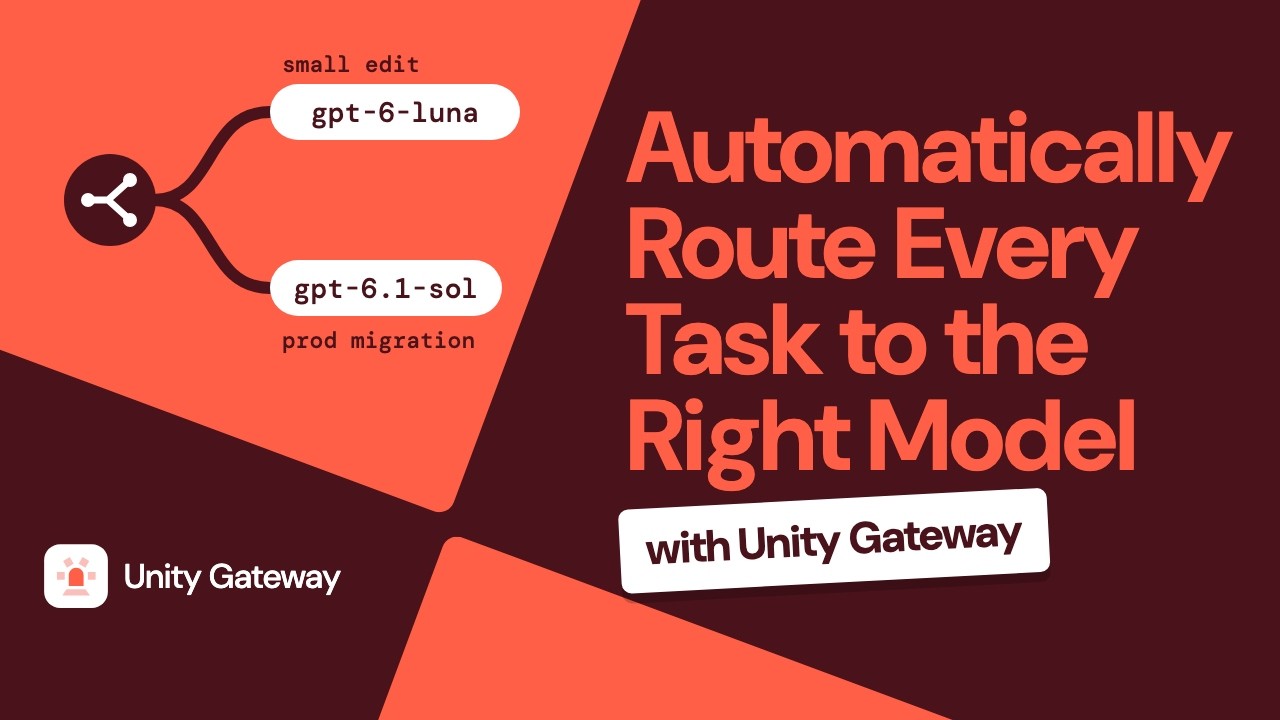
Automatically Route Every Task to the Right Model with Unity Gateway
Unity Gateway manages multiple AI models through a single governed platform and uses smart routing to automatically direct tasks to the most cost-effective and capable model. The demonstration shows how to configure model services, traffic splits, and fallbacks while tracking usage across different development tools.
 News
Creating a Digital Twin with Spark Real-Time Mode and Lakebase
This video demonstrates how to create a real-time digital twin for a manufacturing cell using Databricks tools such as Spark Real-Time Mode, Lakebase, Databricks Apps, and Unity Catalog. It explains how processing sensor readings instantly allows operators to detect and act on equipment faults, such as a hot spindle, before they negatively impact production quality and efficiency.
 News
Respond to Airport Disruptions Using Lakehouse//RT
Lakehouse//RT and Zerobus enable low latency query processing to help airline operations quickly manage flight disruptions and rebook passengers. This technology allows multiple teams to access real-time data simultaneously without creating a duplicate system, significantly improving decision-making speed during emergencies.
 Tutorials
Lakebase Search: Build AI Retrieval for Agents with Lakebase Postgres
Lakebase Postgres introduces lakebase vector and lakebase text extensions to support hybrid search for AI agents. It leverages the Databricks Lakehouse architecture to synchronize and index data for efficient vector and full text search without requiring external databases.
 Tutorials
Governing AI Agents with Unity Catalog and Unity Gateway on Databricks | Unity Catalog Demo
The video demonstrates how to govern AI agents using Unity Catalog and Unity Gateway on Databricks. It shows setting up access policies, user defined functions, and role filters to control data and model interactions.